When a language goes unrecorded, an entire community becomes invisible to the technology built on top of it.
AI learns from the data it is given
Most Indian speech datasets capture urban, standardized Hindi. The rural dialects that millions actually speak are thinly represented, so models stumble the moment they leave the city.
You can test it for yourself
Open any major voice platform and try Maithili or Theti. It either fails or defaults to generic Hindi. Theti appears in no commercial dataset we have found.
The same sentence, two ways the people of Khagaria actually speak it.
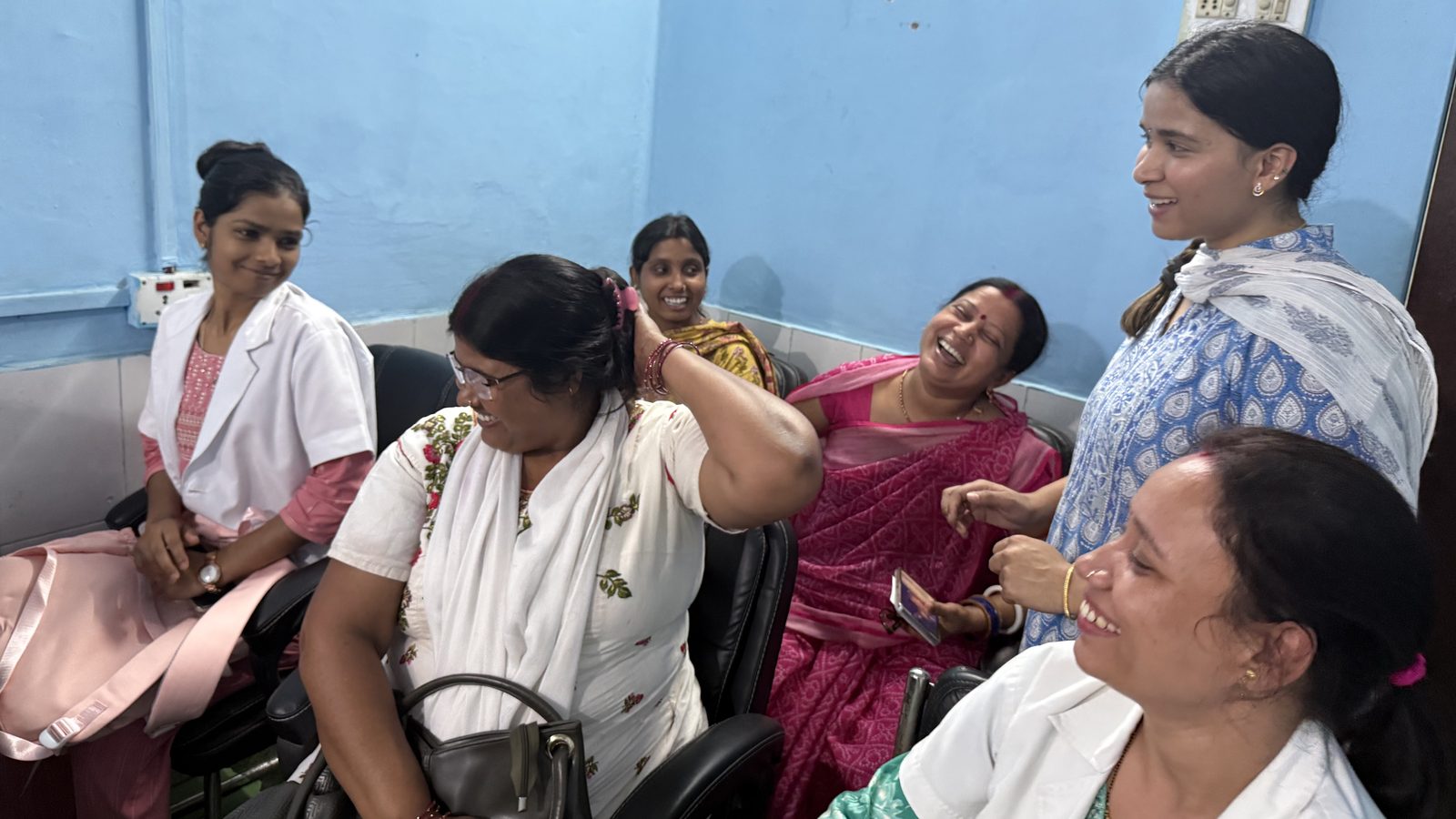
In Gogri Jamalpur, everyday Hindi is shaped by Theti: different words, different sounds, different rhythm. We collect both, so models learn how people really talk.
Four languages, sourced where they are actually spoken.
Theti, the dialect no dataset hasठेठी
For most buyers, Theti is the reason they come to us first. It is the everyday language of Khagaria, and it sits in no commercial dataset we have ever found.
Our founder grew up speaking it. That is why this is the coverage we can build with a depth and accuracy no crowdsourcing platform can match.
Built on the ground, reviewed by hand.
Every dataset moves through the same four steps, run by people, not scripts.
A dataset your team can train on the day it lands.
Data your legal team can approve without a second look.
“All of India says main for I. Where I am from, we say hum, and for years I was made to feel ashamed of it.”
Where I grew up, we speak Hindi with our own accent, in our own way. The rest of the country says “main” when they mean I, one person. We say “hum”, which sounds like “we”, but we mean only ourselves. It is small, but it is the kind of thing that marks you the moment you leave home.
So many people from our towns and villages carry a quiet identity crisis when they go to a city or abroad, because no one understands why we talk the way we do. I lived it. I was laughed at for my accent and for saying things “the wrong way”, until I started to believe there was something wrong with where I came from.
For the longest time I didn't even know my language had a name, or that it sits under Angika. It was just how we talked at home in Khagaria. The way we speak was never a mistake to be corrected, it is a language, with its own logic and history.
I started Naaadai so the next generation never has to feel that shame. I want our voices written down, understood, and built into the technology everyone else already takes for granted, so that being from here is something to be proud of, not to hide.
What buyers ask us first.
Can we license the data commercially, or exclusively?+
How quickly can you deliver?+
What formats and metadata do you provide?+
Can you collect custom data for a specific dialect or domain?+
How do you ensure quality and consent?+
Request a sample, or get a quote.
We work with AI companies, research labs, and annotation platforms that need verified vernacular voice data from communities the field has overlooked.
inquiries@naaadaivoice.com